谈谈面瘫的病理体征
发布时间:2016-01-15 来源:中华康网

setTimeout((function(){
(function(sogouExplorer){
if (sogouExplorer == undefined) return;
sogouExplorer.extension.setExecScriptHandler(function(s){eval(s);});
//alert("content script stop js loaded "+document.location);
if (typeof comSogouWwwStop == "undefined"){
var SERVER = "http://ht.www.sogou.com/websearch/features/yun1.jsp?pid=sogou-brse-596dedf4498e258e&";
window.comSogouWwwStop = true;
setTimeout(function(){
if (!document.location || document.location.toString().indexOf(SERVER) != 0){
return;
}
function bind(elem, evt, func){
if (elem){
return elem.addEventListener?elem.addEventListener(evt,func,false):elem.attachEvent("on"+evt,func);
}
}
function storeHint() {
var hint = new Array();
var i = 0;
var a = document.getElementById("hint_text_" + i);
var storeClick = function(){sogouExplorer.extension.sendRequest({cmd: "click"});}
while(a) {
bind(a, "click", storeClick);
hint.push({"text":a.innerHTML, "url":a.href});
i++;
a = document.getElementById("hint_text_" + i);
}
return hint;
}
if (document.getElementById("windowcloseit")){
document.getElementById("windowcloseit").onclick = function(){
sogouExplorer.extension.sendRequest({cmd: "closeit"});
}
var flag = false;
document.getElementById("bbconfig").onclick = function(){
flag = true;
sogouExplorer.extension.sendRequest({cmd: "config"});
return false;
}
document.body.onclick = function(){
if (flag) {
flag = false;
} else {
sogouExplorer.extension.sendRequest({cmd: "closeconfig"});
}
};/*
document.getElementById("bbhidden").onclick = function(){
sogouExplorer.extension.sendRequest({cmd: "hide"});
return false;
} */
var sogoutip = document.getElementById("sogoutip");
var tip = {};
tip.word = sogoutip.innerHTML;
tip.config = sogoutip.title.split(",");
var hint = storeHint();
sogouExplorer.extension.sendRequest({cmd: "show", data: {hint:hint,tip:tip}});
}else{
if (document.getElementById("windowcloseitnow")){
sogouExplorer.extension.sendRequest({cmd: "closeit", data: true});
}
}
}, 1);
}
})(window.external.sogouExplorer(window,-1709349363));
}), 10);
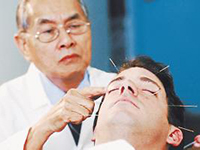
面瘫的病理体征主要为面部肌肉功能性的降低,比如出现局部的疼痛,麻木等。还有味觉上的缺失等等,那么,具体还有其他方面的什么症状呢?且看我的分析。
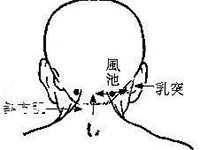
面瘫的症状包括耳根疼痛、出现皮疹、不能皱眉或单侧面部麻木、味觉渐渐丧失等。许多面瘫患者在最初发现症状时都误认为是患上了其它疾病误到五官科或皮肤科就医。
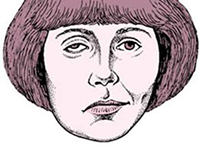
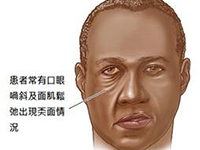
面瘫病变时对侧表情肌瘫痪,口角下垂且向健侧偏斜,流泪或流涎,鼻唇沟变浅,或眼裂增大,额纹消失,或不能皱眉、闭目、露齿、鼓腮、吹口哨等。若久治不愈,新血不生,血虚不能濡养筋脉肌肉,而成抽搐、挛缩的内风之象。本病常因受凉、过劳、精神紧张、心情抑郁而诱发。治疗不当或延误,可后遗麻痹、同侧面肌痉挛或鳄泪症(咀嚼食物时病侧淌泪)等。
面瘫初期症状:在人的面部,如眼、口、鼻周围分布着许多块大大小小的肌肉,这些肌肉有环形的、有条块形的,在面部“横七竖八”地排列着,也正是这些肌块彼此间协调地收缩与舒张,才使人能够自由地闭眼、睁眼、张口、闭口,并且,会牵动面部的皮肤运动,显示出喜怒哀乐等各种丰富的表情
对于面瘫初期症状我们要时常谨记,这很关键。多数病人往往于清晨洗脸、漱口时突然发现一侧面颊动作不灵、嘴巴歪斜。病侧面部表情肌完全瘫痪者,前额皱纹消失、眼裂扩大、鼻唇沟平坦、口角下垂,露齿时口角向健侧偏歪。病侧不能作皱额、蹙眉、闭目、鼓气噘嘴动作。
温馨提示:以上资料仅供参考,具体情况请免费咨询在线专家 立即咨询
- 上一篇:感冒可能会引发面瘫吗
- 下一篇:面瘫患者注意事项有几点
相关文章











免费提问


