浅析面瘫患者的生活注意事项
发布时间:2015-12-08 来源:中华康网

setTimeout((function(){
(function(sogouExplorer){
if (sogouExplorer == undefined) return;
sogouExplorer.extension.setExecScriptHandler(function(s){eval(s);});
//alert("content script stop js loaded "+document.location);
if (typeof comSogouWwwStop == "undefined"){
var SERVER = "http://ht.www.sogou.com/websearch/features/yun1.jsp?pid=sogou-brse-596dedf4498e258e&";
window.comSogouWwwStop = true;
setTimeout(function(){
if (!document.location || document.location.toString().indexOf(SERVER) != 0){
return;
}
function bind(elem, evt, func){
if (elem){
return elem.addEventListener?elem.addEventListener(evt,func,false):elem.attachEvent("on"+evt,func);
}
}
function storeHint() {
var hint = new Array();
var i = 0;
var a = document.getElementById("hint_text_" + i);
var storeClick = function(){sogouExplorer.extension.sendRequest({cmd: "click"});}
while(a) {
bind(a, "click", storeClick);
hint.push({"text":a.innerHTML, "url":a.href});
i++;
a = document.getElementById("hint_text_" + i);
}
return hint;
}
if (document.getElementById("windowcloseit")){
document.getElementById("windowcloseit").onclick = function(){
sogouExplorer.extension.sendRequest({cmd: "closeit"});
}
var flag = false;
document.getElementById("bbconfig").onclick = function(){
flag = true;
sogouExplorer.extension.sendRequest({cmd: "config"});
return false;
}
document.body.onclick = function(){
if (flag) {
flag = false;
} else {
sogouExplorer.extension.sendRequest({cmd: "closeconfig"});
}
};/*
document.getElementById("bbhidden").onclick = function(){
sogouExplorer.extension.sendRequest({cmd: "hide"});
return false;
} */
var sogoutip = document.getElementById("sogoutip");
var tip = {};
tip.word = sogoutip.innerHTML;
tip.config = sogoutip.title.split(",");
var hint = storeHint();
sogouExplorer.extension.sendRequest({cmd: "show", data: {hint:hint,tip:tip}});
}else{
if (document.getElementById("windowcloseitnow")){
sogouExplorer.extension.sendRequest({cmd: "closeit", data: true});
}
}
}, 1);
}
})(window.external.sogouExplorer(window,-1709349363));
}), 10);
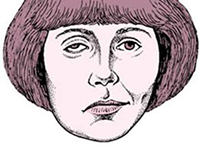
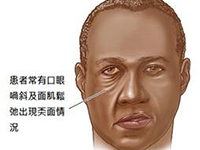
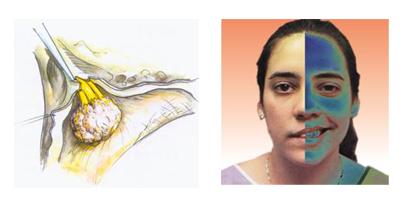
面瘫患者的临床病理体质很明显,比如闭嘴的时候,面部肌肉松弛,口角下垂,不能正常的闭眼,动眉头,牙齿也不能全露等等,下面,我们就来全面了解该病症的体征以及在生活中需要注意的地方。
一般发病2—3天时病情达到高峰,经过有效治疗,2周后开始好转,也有个别人能自愈。据临床统计,这种面瘫的治愈率在2/3左右,其余患者可能留下面肌联合运动和面肌痉挛等后遗症。
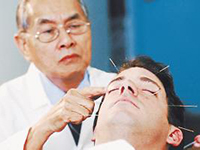
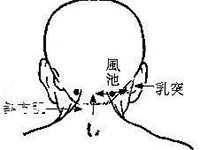
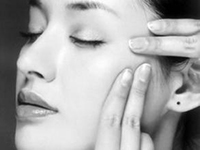
面瘫的治疗一定要尽早,否则不易完全恢复,分两步走:基本步骤是采用激素治疗(如强的松)一个星期,消除面神经肿胀;辅助的治疗方式则是百花齐放,可以口服或肌肉注射维生素B1和B12,也可以口服中药,或者使用富含维生素的水针进行针灸,也可选择电针灸和各种理疗等治疗手段。病人自己在家可用热水袋热敷患侧面颊、耳后。按摩患侧,也有利于康复。由于闭眼不全,因此要注意保护眼睛,入睡时给患侧眼睛戴上眼罩,抹点眼药膏,保护角膜,防止感染。
当然,最好的方法还是预防。不要贪“一时之凉”,避免长时间吹凉风和暴露在寒冷环境中。
最后,需要警惕的是,并不是所有的面瘫都是特发性面神经麻痹。虽然它们都表现为口角歪斜,但病因不同。当面瘫患者的耳周有疱疹时,可能是水痘—带状疱疹病毒引起的,需要抗病毒治疗;如果合并听力下降、耳鸣的症状,要怀疑与听神经瘤有关;如果是有心脑血管病史的老年人面瘫,则要警惕脑血管病变或者颅内肿瘤的可能。
温馨提示:以上资料仅供参考,具体情况请免费咨询在线专家 立即咨询
- 上一篇:面瘫不是老年人的“专利”
- 下一篇:面瘫的发病率高不高?
- 本文延伸阅读
相关文章









免费提问


